6 Maintenance Myths That Are Destroying Slate Floors
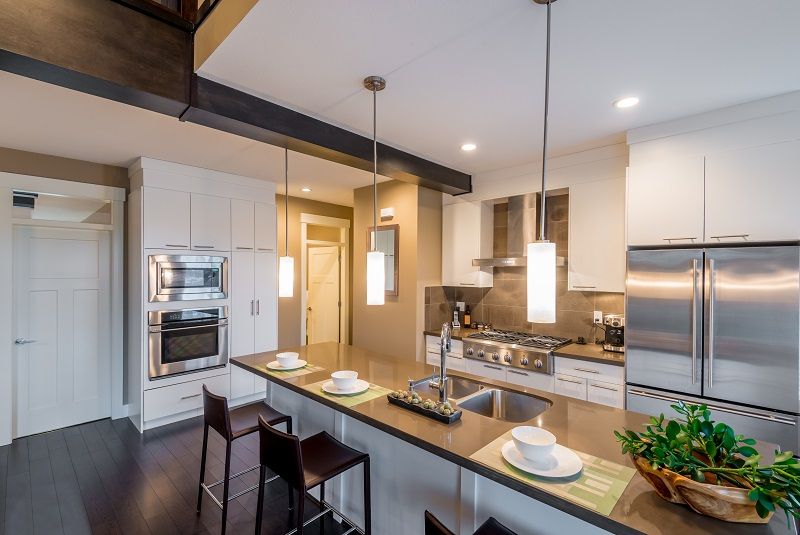
Your slate floor can stay rich, grounded, and beautiful, once the myths step aside and the real care begins.
Slate floors feel timeless. Solid. Almost ancient. People assume they can take anything. And yes, slate tile is tough, but it isn’t invincible. Over the years, a strange mix of myths and half-advice has spread around homes and job sites. Some come from old habits. Others from internet shortcuts. A few from pure guesswork.
Those myths quietly wear down slate tile, leaving homeowners confused when the once-beautiful surface turns dull or blotchy.
Slate Doesn’t Need Sealing. It’s Natural Stone, It Can Handle It
Slate is natural, but that doesn’t mean it’s naturally protected. This myth ruins more floors than spilled paint.
Slate is porous. Some varieties are more porous than others, but all slate can absorb liquids, oils, and stains. Without a proper sealer, everyday life soaks right in.
Watermarks. Grease patches. Cloudy spots. Over time, these settle deep into the stone.
A good penetrating sealer shields the slate without smothering its texture. It keeps the floor breathable while stopping stains from becoming permanent house guests. Skipping sealant guarantees future headaches.
Seal it. Maintain it. Slate rewards you for the effort.
Any Cleaner Works. It’s Just Rock
This one spreads fast because slate “looks” unbreakable. But cleaners can destroy a slate surface quietly.
Acidic products, vinegar, lemon-based sprays, and bathroom cleaners eat away the slate’s top layer. They fade the color, roughen the texture, and strip the sealant. Even some “natural” or “green” cleaners contain ingredients that don’t play well with stone.
Slate likes pH-neutral products. Simple. Gentle. Balanced.
A bucket, warm water, a neutral stone cleaner. That’s the formula. Use it regularly and the surface stays steady. Use the wrong thing and the damage becomes slow but irreversible.
Mopping Frequently Makes It Cleaner
More water isn’t cleaner. Excess moisture makes slate unhappy.
Over-mopping floods the floor. The water seeps into tiny pores and joints. With enough repetition, this moisture builds up under the tile and weakens the bond. It also leaves streaks and hazy residue.
Instead, slate prefers a lighter touch:
- Dust mop daily
- Damp mop occasionally
- Never soak the surface
- Dry it if pools appear
Less water. Better results. Slate thrives with minimal moisture.
Slate Lasts Forever Without Maintenance
Stone lasts. But floors live in the real world: feet, spills, pets, grit, chairs. Slate holds up well, but it absolutely needs upkeep. Not every day. Not even every week. But regular, simple maintenance keeps it from falling apart.
A slate floor left totally on its own begins to show:
- Surface erosion
- Dull patches
- Discoloration
- Loose tiles
Maintenance doesn’t mean complicated routines. Sweep. Damp mop. Reseal when needed. That’s the heartbeat of a healthy slate. Ignoring it guarantees a slow slide into deterioration.
A Shiny Slate Floor Means It’s In Great Shape
Shine tricks people. A glossy finish doesn’t always mean the stone is healthy.
Sometimes, the shine is just a topical coating or wax sitting on top of a struggling floor. These coatings build up over time. They trap dirt. They yellow. They peel. They crack.
The slate underneath might be dry, thirsty, unsealed, or stained. Yet it looks shiny. Until the shine collapses. Real health comes from inside the stone.
Penetrating sealers keep slate protected without turning it into a mirror. A natural sheen from the slate itself signals a balanced and well-treated floor.
Chase longevity, not just shine.
Fixing Slate Problems Is Expensive, So Better Not Touch Anything
This myth keeps floors neglected far longer than necessary.
Most slate issues are easier and cheaper to fix when caught early. A small stain? Simple. A fading seal? Quick. A loose tile? Repairable.
But waiting turns minor annoyances into major repairs. Stains become deep-rooted. Edges crumble. Moisture creeps under the stone. Slate isn’t fragile, but it needs attention at the right time. A basic maintenance routine usually prevents expensive interventions.
What Slate Actually Wants
Slate isn’t high-maintenance. It’s a material that rewards consistency rather than intensity.
Here’s the real formula slate floors respond to:
- Regular sweeping
- pH-neutral cleaning
- Occasional resealing
- Soft tools, not abrasive ones
- Minimal standing water
Bringing Slate Back to Its Natural Glory
Slate doesn’t just age; it quietly loses its edge when myths replace knowledge. Colors fade, textures dull, and floors that could last decades begin to look tired. Professionals at Town & Country Ceramic Tile see it all the time: the difference between a slate floor that survives beautifully and one that fades early isn’t effort; it’s knowing what actually works.
So, how much life could your slate still have if it had been treated the right way all along?