Ultimate Handbook for Interior Painting Mastery and Design
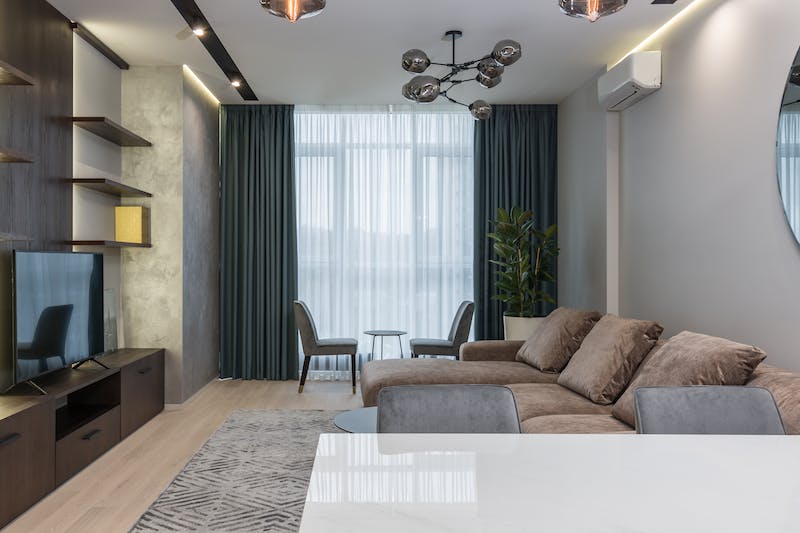
Interior painting is a powerful tool for transforming the look and feel of a space. Whether moving into a new home, giving your current one a facelift, or simply craving a change, a fresh coat of paint can work wonders.
This comprehensive guide covers everything from colors to mastering Interior Painting Christchurch techniques.
1. Assessing the Space
Before you start picking out paint colors, take the time to assess the space you'll be painting. Consider the size, natural light, and the existing color scheme.
2. Setting a Budget
Determine the cost of paint, primer, brushes, rollers, and other necessary tools. Additionally, consider the time it will take to prep the space, apply multiple coats, and allow for drying.
3. Choosing the Right Colors
Research the basics of color psychology to make informed choices. For example, yellows evoke energy and warmth.
4. Sampling and Testing Colors
Before committing to a complete application, always consider the importance of sampling and testing paint colors. Most paint stores offer small sample cans, allowing you to see a color's appearance in your space.
5. Quality Paint and Primer
Investing in high-quality paint and primer is essential for achieving a professional-looking finish. Consider the type of paint (latex or oil-based) and choose the appropriate primer for your walls. Quality products may cost more initially, but they often provide better coverage and durability.
6. Brushes, Rollers, and Painter's Tape
Selecting the right tools affects the efficiency and outcome of your interior painting project. Choose brushes and rollers based on the type of surface you're painting. Use painter's tape to achieve clean, straight lines and protect areas you don't want to paint.
7. Clearing and Covering
Before painting, remove furniture and cover floors with drop cloths or plastic sheets. Clearing the space ensures ample room to move around, reducing the risk of accidents and spills. Covering surfaces protects them from accidental splatters and drips.
8. Cleaning and Sanding
Cleaning and sanding the surfaces creates a textured surface that promotes paint adhesion. Patch any holes or imperfections with spackle or joint compound.
9. Painting Techniques
Mastering the cutting-in technique is essential for achieving clean and precise edges. Use a high-quality angled brush to carefully paint along the edges of the walls, ceiling, and trim. Take your time during this step, as it sets the foundation for the rest of the painting process.
10. Rolling and Brushing
Once you've cut in, apply a roller to paint the larger wall surfaces. Use a brush to blend the edges of the rolled color, creating a seamless finish.
11. Dealing with Drips and Runs
Drips and runs are common painting issues, especially for beginners. To address these problems, use a high-quality brush to feather out the excess paint before it dries. Check your roller for too much color, and always work from a wet edge to prevent lap marks.
12. Fixing Uneven Coverage
Uneven coverage can result from various factors, such as improper preparation or low-quality paint. If you notice rough areas, apply an additional coat. Ensure that each coat is applied evenly to achieve a consistent finish.
13. Removing Painter's Tape
Waiting until the paint is completely dry prevents the tape from pulling up any dried paint. You will achieve crisp, clean lines.
14. Cleaning Brushes and Rollers
Properly cleaning your painting tools is essential for their longevity. Use the appropriate cleaning agents for your type of paint and thoroughly rinse brushes and rollers.
15. Touching Up
Over time, walls may accumulate scuffs or minor marks. Keep some leftover paint for touch-ups to address these minor imperfections. Store the extra color in a cool, dry place to ensure longevity.
16. Regular Cleaning
To maintain the vibrancy of your painted walls:
Incorporate regular cleaning into your routine.
Dust the surfaces gently and wipe away stains with a mild cleaning solution.
Conclusion
Interior painting is a rewarding endeavor to enhance the ambiance of your living spaces. Following the steps in this comprehensive guide will enable you to tackle your next interior painting project confidently. Happy painting!